
"I’d Love to Work With You, But Not For You": The Feedback That Reframed My Leadership
When working with leadership teams, I frequently ask executives to reflect on the most powerful piece of feedback they have ever received. I want to know the context, how they reacted, and why it stuck with them. In the vast majority of cases, these leaders point to a moment from ten or even fifteen years ago. It is a potent reminder that early-career feedback often serves as a critical catalyst for long-term executive growth.
Sometimes, it takes years for a piece of feedback to truly sink in. You might dismiss a harsh critique at first, only to have the same feedback emerge in another role, eventually revealing a pattern of behavior that forces you to take action.
The Sound and Science of Feedback
In our executive development programs, I define feedback simply: it is the process in which the effect or output of an action is returned to you.
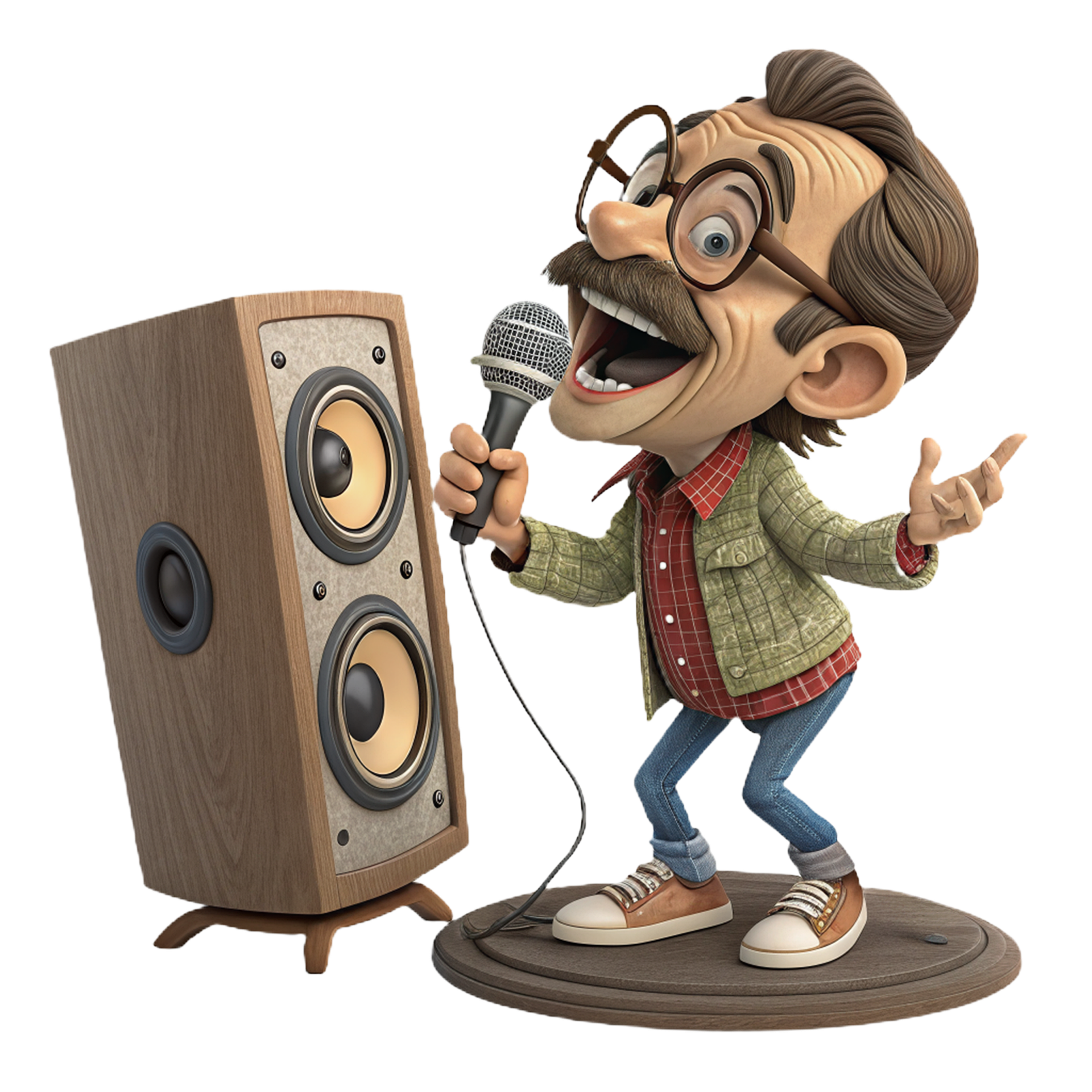
My favorite metaphor for this is an audio microphone. When a microphone gets too close to a speaker, it elicits a high-pitched squeal. That uncomfortable sound instantly causes a person to take action and physically step back. Workplace feedback functions the same way—its purpose is to prompt action, either to improve a behavior or to reinforce a positive one.
Learning to Receive the "Gift"

There are thousands of workshops available on how to give feedback, but very few teach leaders how to actually receive or solicit it. Through our Groove360 degree feedback engagements where we interview cross-functional peers to uncover behavioral blind spots we find that mastering the ability to solicit feedback naturally makes you a better feedback provider.
As a leader it is important to learn three key skills around feedback.
1) How to give it
2) How to receive it
3) How to solicit it
A useful framing is to treat feedback as a gift. As a child, receiving gifts is the exciting part, but as adults, we often gain more satisfaction from giving them. Learning to be a gracious receiver of tough, unvarnished feedback is a difficult but essential leadership muscle to build.
My "Aha" Moment
So, to answer my own question: What is the most powerful piece of feedback I ever received?
It was the year 2000. I was working towards my Master of Science in Organization Development at American University. My cohort was participating in an unstructured "community time" session where we studied our own natural human interactions. At the time, I found the ambiguity of sitting in a circle for an hour deeply frustrating; I preferred structure and goals.
During a discussion about our future career aspirations, I shared my dream of starting my own consulting firm. Seeking validation, I asked the room, “Would you want to come work for me in the future?”. My intention was to see which of my classmates had confidence in my leadership.
After a dead silence, a classmate named Holly finally spoke up.
“Brian,” she said, “I would love to work with you in the future, but not for you.”
Others immediately chimed in, agreeing with her. That hit me hard. It was a wake-up call that shattered an arrogant, self-centered mindset.
The Compound Effect of Leadership Alignment
Work with versus for. Wow. I finally got it.
Much like the compound effect of a daily habit where a small, consistent 1% improvement yields massive transformational results over a year, truly absorbing that single piece of feedback twenty-six years ago fundamentally changed my trajectory. It completely reframed the way I view my role as a leader.
Fast forward to today, and Groove Management is built entirely on that collaborative philosophy. We operate alongside several incredible executive coaches and facilitators. I am proud to say that Holly has been both a partner and a client, and two other classmates from that exact cohort serve as executive coaches on our team.
When we conduct New Leader Assimilations or Team Timeouts today, our core objective is to align teams around this exact principle. I want the executives I coach to build organizations where the leader works for the team, and the team works with the leader. When you stop asking people to work for you, that is when you find your groove.