The Ultimate Playbook: What the 2026 Knicks Taught Us About Teamwork
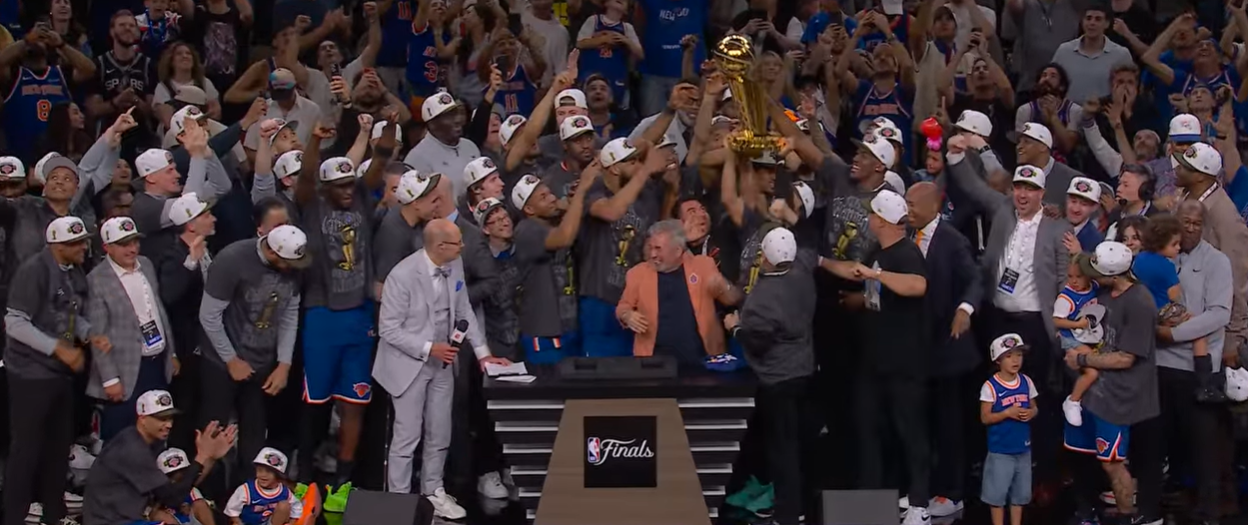
The New York Knicks ended a 53-year drought on Saturday night by winning the NBA Championship. I cried tears of joy, something I have never done before for a sports team.
I have been a lifelong NY Knicks fan. Growing up in NYC, I have fond memories of going to Madison Square Garden, the world’s most famous arena, to cheer on the Knicks. I was two years old when they last won a championship in 1973. From a young age, my dad would tell me about Willis Reed, Dave DeBusschere, Walt "Clyde" Frazier, Bill Bradley, and other Knicks legends. In fact, it is rumored my dad wanted to name me Reed instead of Brian because he was such a Willis Reed fan.
My memories include watching Bernard King light up the Garden for 60 points on Christmas Day in 1984. I recall the Hubie Brown era with him as a head coach. I vividly remember draft day in 1985 when the Knicks won the first-ever draft lottery and drafted Patrick Ewing.
The Ewing era was fun and painful. Pat Riley as the head coach brought swagger but limited success. Jeff Van Gundy brought defense and a gritty work ethic. The Patrick Ewing era—with him, John Starks, Charles Oakley, Anthony Mason, and others—brings back fond memories, yet there was never a championship. Michael Jordan torched the Knicks, as did Reggie Miller. They were good at times, but never great. Something was always missing.
Fast forward to 2026, and that missing ingredient has finally arrived.
The Knicks had a strong regular season, making the playoffs as the number two seed in the East. The playoffs have been magical, with the Knicks completing a thirteen-game win streak before finally losing a game in the finals. They trailed in all five of the finals games, executed an improbable 29-point comeback, and kept rolling.
The success was a result of teamwork. They believed in themselves, and most importantly, they believed in each other. Even down 29 points, they never lost confidence and conviction. They played unselfish basketball, made the extra pass, the extra play, deferred to their teammates, and won as a cohesive unit.
Not only am I a student of the game of basketball, but I have always focused on the coaching, the motivation, and the intangibles in addition to the raw talent. That is why I am enjoying this year so much. Mike Brown has completely changed the team dynamic in his first year as head coach. Tom Thibodeau did a commendable job producing wins, but the team was not operating fully as a team. That has all changed under Mike Brown. The resounding theme is teamwork and unselfishness.
It is apparent on the court with players making the extra pass and the bench cheering loudly for each other, but you see it most in the post-game interviews. Each player is giving props to their teammates, celebrating their efforts and success. It was a true team effort this year.
As an executive coach with Groove Management, I constantly harp on the importance of teamwork, helping executive teams spend time building trust and relationships that go beyond the work. When I look at this championship run, several core leadership tenets stand out:
Joy and Camaraderie Translate to Success: Living in Charlotte, I see strong parallels to the 2015 Carolina Panthers. Just as that team embraced "the Dab" and played with infectious joy, these Knicks proved that having fun together yields elite results. That chemistry wasn't an accident; it was built deliberately off the court by sharing meals together and prioritizing human connection.
Deflecting the Credit: True leadership is passing the spotlight. You hear it in the quotes from post-game pressers, where players consistently refuse individual praise and instead elevate their teammates. Point guard Jalen Brunson embodied this humility by reflecting on the team's resilience, saying, "Whenever someone counted us out, we find a way to come back and do something about it". Karl-Anthony Towns (KAT) echoed this, attributing the victory directly to the collective: "It's because of all my brothers here, because of the fans".
The Team Timeout: Down 29 points at halftime in game three of the finals, halftime was the reset the team needed. The goal was to get the lead under 17 by the end of the third quarter. Head Coach Mike Brown later explained his approach during this critical juncture: "We let them sit for a bit, talk amongst themselves for a bit and think about it. The biggest thing was, I told the guys, we can play better... let's cut it to around 15 to 17 going into the fourth". In my work, whether I am facilitating a corporate offsite or utilizing diagnostics like the Alarum coaching tool, I help executive teams call a team timeout. The goal is to realign, to rest, and to learn from each other. The Knicks epitomized the goal of a team timeout by returning to the game performing at a higher level than before the break.
Ego Sacrifice: We saw this vividly with KAT embracing his role as a distributor. When your stars are willing to sacrifice personal stats to facilitate for others, it sets an unselfish tone that the entire roster adopts. Coach Brown praised this specific trait in his post-game presser, marveling at what it takes "to see them stay connected while trying to sacrifice and believe".
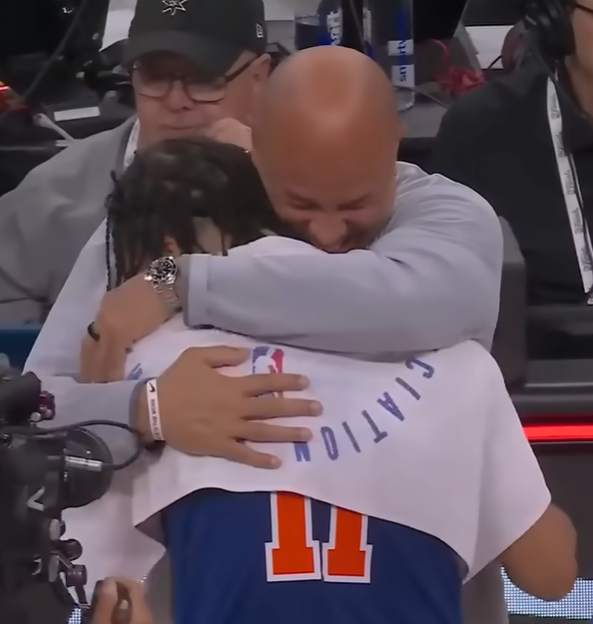
Built-In Trust and Family: The Knicks leveraged the built-in collegiate trust of the "Villanova connection" to fast-track their on-court chemistry. The connection between Josh Hart, Jalen Brunson, and Mikal Bridges was fostered as teammates at Villanova and carried over to the Knicks. Their friendship was infectious for the rest of the team. Bridges beautifully highlighted this expanding bond after the victory: "I call these two my brothers ever since I been with them at Villanova. But it's great to call all these other guys my brothers, too". Furthermore, the profound sense of family—epitomized by the dynamic between Jalen Brunson and his father, assistant coach Rick Brunson—cemented a culture of deep accountability and loyalty.
In the end, the 2026 Knicks didn't just win a trophy; they provided a masterclass in organizational health. And for a city that has bled orange and blue for over half a century, it is the ultimate reward for an era of unwavering fan loyalty.