
Why the Single Point of Success Approach Fails at Scale

During a recent leadership team offsite, I facilitated an icebreaker called "Knot or Not." Typically, individuals pick a side of the room to stand on based on their personal conviction about whether a rope will form a knot when pulled. One CEO approached the exercise entirely differently. He systematically asked each person why they were standing where they were, gathered their input, and then unilaterally decided for the group that there would be a knot. Everyone dutifully walked over to join him on his chosen side.
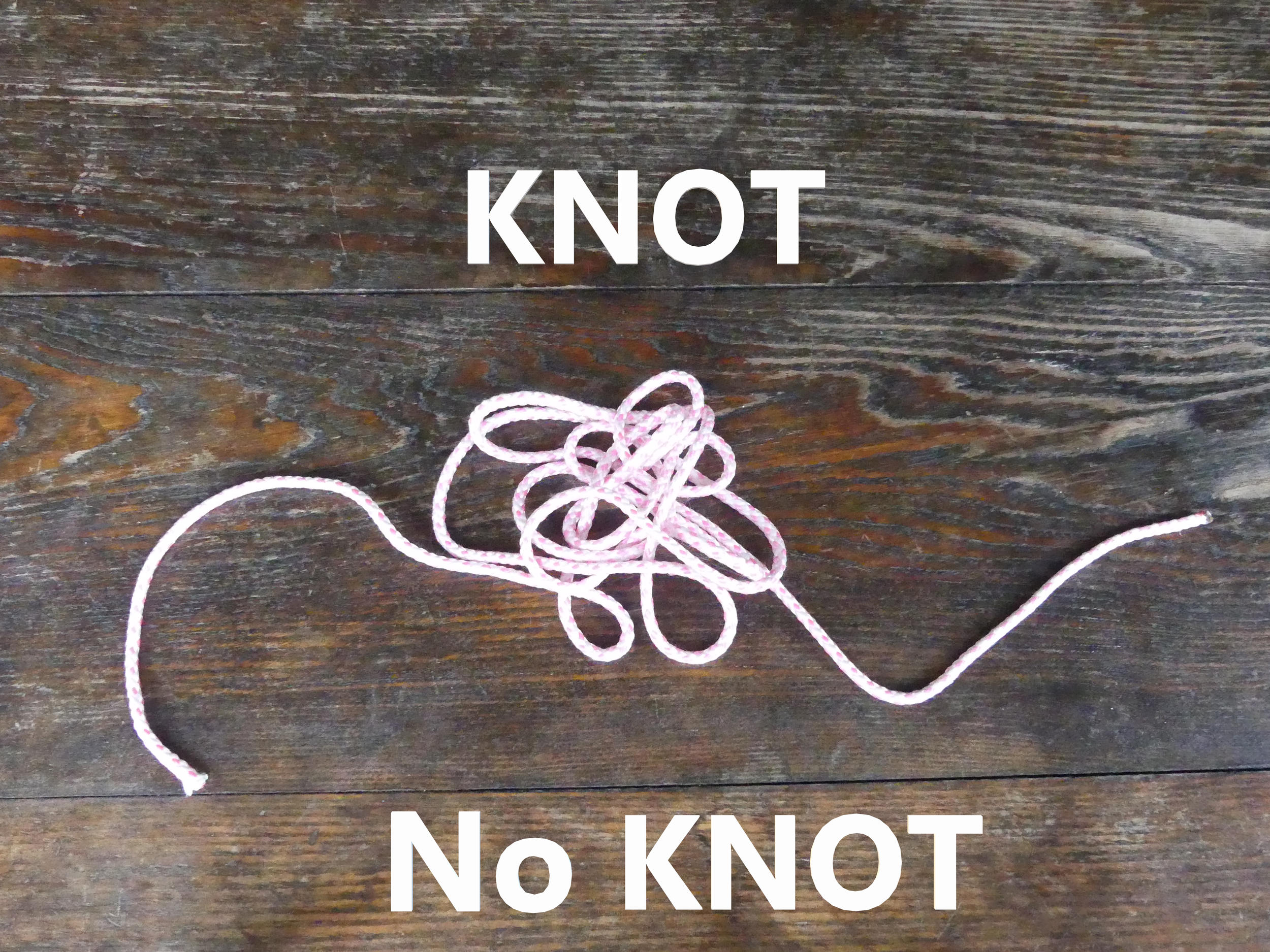
When I asked if this was how they made all important decisions, the answer was a resounding yes. The CEO believed routing everything through him sped up the organization. When asked how the company functions when he goes on vacation, he explained he simply assigns his decision-making authority to another team member. In subsequent coaching sessions, it became glaringly obvious how this hub-and-spoke approach deeply frustrated his highly capable executives—yet they continued to rely on him as the sole decision engine. I have referred to this approach often as being a “Single point of success”.
Why the Single Point of Success Approach Fails at Scale
The relentless drive that builds a company from the ground up eventually transforms into the exact bottleneck that stunts its growth. To scale successfully, founders must recognize when their heroic involvement is suffocating their team and actively shift from being a tactical doer to a strategic coach.
The Single Point of Success Trap
When an organization becomes overly dependent on a leader's direct involvement, that leader becomes a single point of success, acting as a massive barrier to scale.
A highly centralized, control-oriented approach holds the organization back, preventing it from utilizing the innovative thinking of the broader team.
Routing all decisions through one person creates a significant burden for both the executive and the business, resulting in delayed or unmade decisions.
By stepping in to solve every problem out of a desire for perfection or speed, executives inadvertently stunt the growth of their mid-level managers.
The Hero Leader Trap at Every Level
The bottleneck trap captures any professional whose responsibilities have outgrown their current capacity.
When a role expands, the very traits that drove a professional's early success—rolling up their sleeves and fixing things directly—become the exact behaviors that suffocate their team's growth.
As scope increases, newly promoted leaders often fall into the "hero leader" trap, swooping in to rescue projects and take over tasks that others struggle with instead of coaching them through the friction.
Capable managers frequently rationalize that it is easier and faster to just be the expert doer themselves rather than properly delegating a task and letting someone else own the outcome.
This constant hero-ball execution creates a dangerous ripple effect where the leader's "say/do" ratio begins to suffer—failing not from a lack of effort, but from taking on far too much at once.
The Delegation Illusion
Whether you are a frontline supervisor or a VP, it is easy to mistake assigning administrative chores—like tracking schedules or maintaining project lists—for genuine delegation.
If a leader retains final technical decision authority and overall project accountability, they haven't actually empowered a new decision-maker; they have merely assigned themselves an administrative assistant for the work.
True scalability requires giving away actual decision rights, pushing real ownership down into the organization with clear expectations for the outcomes.
Shifting from Hero to Strategic Enabler
| The Hero Leader | The Strategic Enabler |
|---|---|
| Operates with a highly centralized, control-oriented approach. | Focuses energy on talent, actively asking if the right people are in the right seats. |
| Retains final technical or strategic decision authority on delegated projects. | Transfers genuine decision-making power and empowers executives to act autonomously. |
| Steps in to solve problems directly, acting as the primary "expert doer". | Acts as a "strategic enabler," trusting and coaching teams to execute the work. |
| Avoids succession planning because they feel indispensable. | Personally invests in developing successors for their own role and their leadership team. |
Anyone stepping into a significantly larger role must fundamentally transition their identity from being the primary "expert doer" to acting as a "strategic enabler." This shift demands adopting a "GTRSD" (Get The Right Shit Done) mindset, realizing that an organization is sometimes better off not getting things done at all than flawlessly executing the wrong things. Leaders must have the discipline to commit to the right priorities and systematically eliminate the wrong ones, building a rigorous "Stop Doing" list to give their team clarity. The ultimate goal for any professional navigating an expanded role is to stop asking people to work strictly for them, and instead invite a capable team to work with them to uncover solutions.

If you operate as the central load-bearing block, your team might stand tall while you are present, but it will instantly collapse the moment you step away. The primary risk of scaling a business is falling into a "Jenga leadership structure," where your organization relies entirely on individual heroics. When those heroes leave, the whole tower topples. The next time you prepare to go on vacation, take the Jenga Leader Test to audit your own delegation illusion. If every decision still waits for your return, your organization is structurally compromised. True scalability requires transferring genuine decision-making power so the tower stands entirely on its own.